
ULEZ, CAZ and DVS Checks for Flatbed Hire in Northern Ireland
A route-planning guide to clean-air zones, city access, loading bays and vehicle-weight controls that may affect a flatbed journey in Northern Ireland.
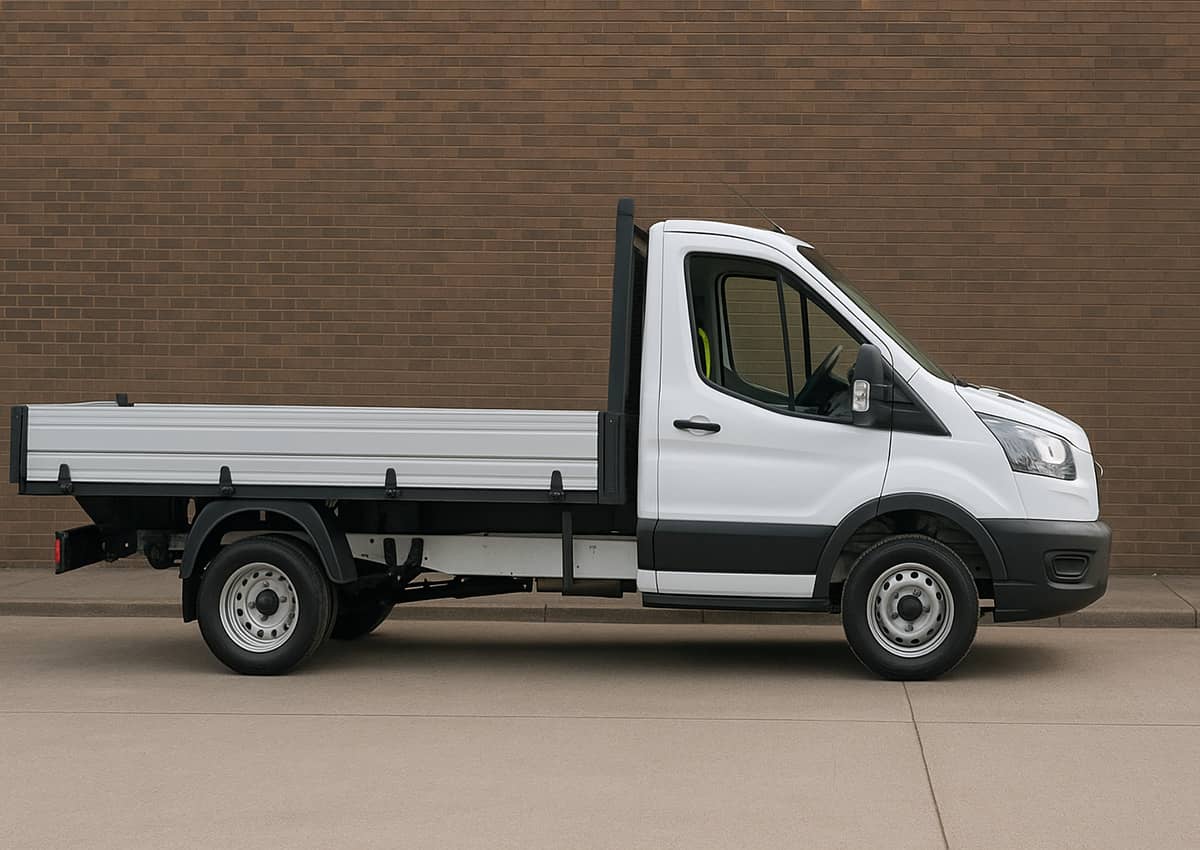
When to raise clean-air checks
Raise clean-air and city-centre restrictions when a job enters London, Birmingham, Bath, Bristol, Bradford, Portsmouth, Sheffield, Tyneside, Glasgow, Edinburgh, Dundee, Aberdeen or another restricted area.
For a Northern Ireland trip, mention any port, airport, station, event venue, business park, low bridge or controlled construction-site access along the route.
DVS and heavier vehicle checks
Direct Vision Standard and heavier-vehicle controls may matter on some London-linked or larger lorry routes.
The answer depends on the vehicle's exact registration and size, the route and when it travels, so provide those details during the quote call.
Loading and parking restrictions
Route permission is only part of the plan; flatbed work also needs a safe place to stop and handle the load.
For Belfast, Derry and Strabane, Lisburn and Castlereagh, or Ards and North Down, describe whether the truck will use a bay, yard, kerbside stop or gated site, and note any slot or larger-vehicle restriction.
Quote-time route information
Outline the journey from first collection to final stop, especially where it links Belfast or Derry with another coverage area.
Add dates, delivery window, load type, driver information and mileage estimate, and say whether delivery or collection is requested.
Before you call
Before the call, list the complete route and travel date, then note load size, weight, loading method and both addresses.
Those details matter more than a broad label such as flatbed truck hire, especially when the truck has to fit a specific site, driver and trade job.
Vehicle and route checks
If the job changes, compare the guide topic with the wider flatbed truck hire service. A small flatbed enquiry may need a 7.5 tonne dropside, long-bed flatbed, tail-lift vehicle or specialist loading option.
Give the exact delivery and collection points, plus parking, bay, timed access, height, gate, forklift and site-traffic limits. Those details let the team assess the route against the proposed vehicle.